
Specialty cleaning · North Georgia
Medical office common-area cleaning
Request nonclinical cleaning for approved reception, waiting rooms, staff offices, and common areas.
Plan access and scope before scheduling.
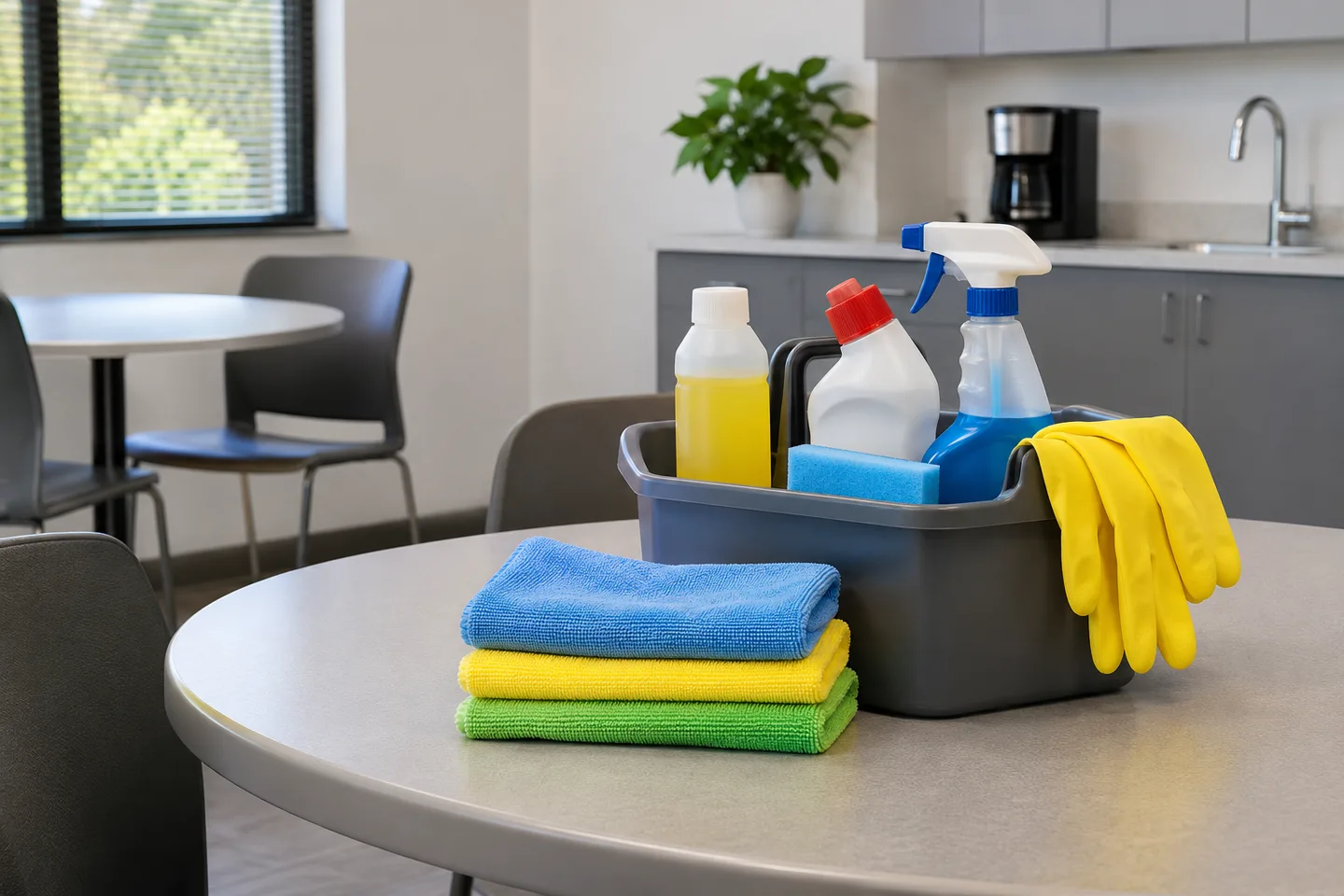
Identify the nonclinical spaces, closure window, site-approved methods, and the staff member who can authorize access.
Browse service areaDefine nonclinical boundaries clearly
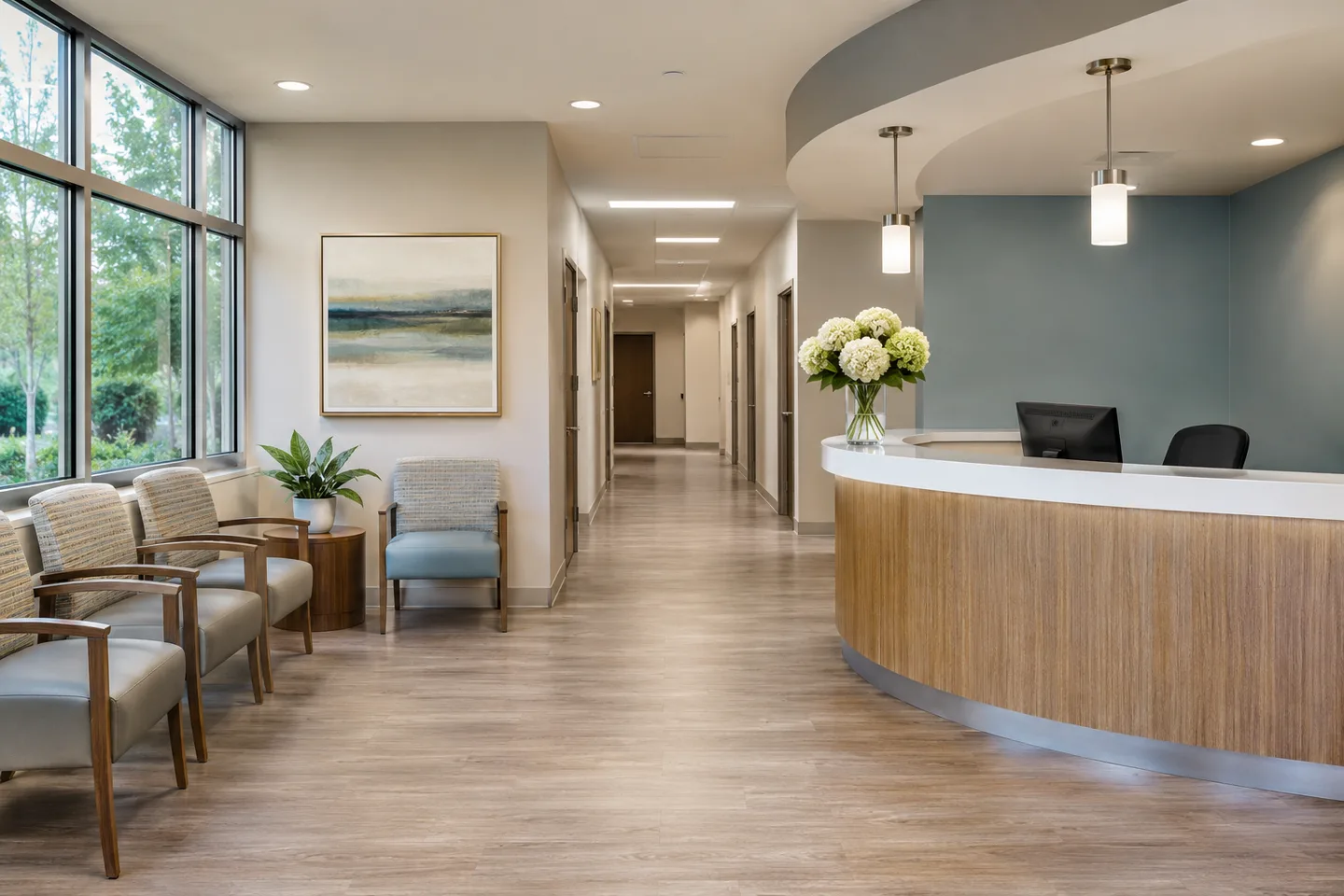
Start with reception, ordinary offices, public waiting space, corridors or staff break areas that the facility approves. Treatment rooms, exam surfaces, procedure areas, and medical equipment are outside this ordinary scope. The facility must identify where work stops. Ask which doors should stay locked and which personnel will answer any question about access.
Work within the facility’s own policy
The person responsible for the building can explain approved products, materials, and areas. The site determines whether any separate specialist protocol applies. Ordinary common-area cleaning is distinct from managed disinfection and infection control. A website estimate does not certify health outcomes or authorize work on spaces governed by clinical procedures.
Choose a low-traffic work window
Confirm when reception and waiting areas can be cleared. Ask whether staff will still be at the front desk or which doors must be available. Preserve paths needed by patients and staff. If the facility sees patients after regular hours, set a new time instead of assuming the building is empty.
Protect records and personal information
Patient information, sign-in forms, IDs, screens, personal items, and medical documents should be secured and are outside normal cleaning. Use the public intake only for site details. Never send patient information or images that show names, appointment times, medical records, or people. The office can provide sanitized room photographs where permitted.
Describe surfaces and expectations
State which seating, floors, entry mats, and accessible reception surfaces you want considered. Provide material or care instructions and flag anything that should not be touched. If there is residue or a damaged finish, describe the condition before deciding the scope. A regular plan should identify which tasks repeat and which move to a separate work request.
Escalate hazards through the facility
Tell the responsible site contact about spills or conditions involving biological material, medical waste, sharps, or clinical equipment. Those are outside a routine appearance scope and should be handled under the facility’s own procedures. Avoid including incident details in a public form. Ask the facility whether the affected area should remain excluded.
Prepare a practical estimate request
Include city and ZIP, approximate area, the named common zones, desired frequency and availability. Identify the facilities contact who can review any vendor requirements. Give site guidance in broad terms, without private patient information, restricted access details, or credentials. Confirm that the request and the site requirements can be accommodated before agreeing on a time.
Arrange an authorized walkthrough
Have an office representative check the agreed areas and show where the scope ended. Record anything unavailable or postponed so it does not get confused with work already completed. For repeating appointments, revise the plan when office hours, waiting room layouts, or access boundaries change. Any clinical review stays with the responsible facility team.
Commercial and institutional cleaning · School cleaning · Government building cleaning · Bank branch cleaning · Office cleaning · Event venue cleaning · Discuss an estimate · Read area information
Common questions
What common spaces can I include in an inquiry?
A request can identify reception and waiting areas, ordinary staff offices, breakrooms or facility-approved pathways, with any restrictions noted. State the specific rooms and finishes you want considered. The building contact should decide where cleaning is allowed. Clinical or controlled rooms, supplies, health records and medical equipment need separate handling and should stay outside an ordinary common-area scope. If you are unsure which category a space falls under, ask the responsible person at the facility before including it. Describe the work without relying on a general statement that covers every office area.
How should a medical office prepare for an after-hours visit?
Identify the time the last clinic function concludes and when approved common areas can be cleared. Have the authorized staff contact secure papers, intake devices, screens and any belongings that should not be handled. Confirm which doors should remain locked and which circulation paths must remain open. If the site requires supervision, product approvals or a specific entry process, discuss them before the visit. Leave time for the site’s review before reopening and agree how to handle a change if a waiting room stays occupied after the scheduled time.
Can we send a photo of the reception area?
Use only a work-area image that the facility is allowed to share. Clear the frame of patients, staff, sign-in lists, chart materials, screens, names, badges, or anything else that could identify someone. A close-up of carpeting, floor material, seating or access to an ordinary surface is often enough. Do not photograph restricted areas or share internal security information. If a useful photo cannot be taken, describe the size, material, condition and location in general terms instead. Use the facility’s approved communication process for issues that cannot be discussed in a public quote form.
Does the estimate include clinical disinfection?
The nonclinical scope focuses on ordinary approved common areas. Ask the facility to refer clinical protocols, infection control, isolation-area cleaning and any regulated tasks to the appropriate provider.
Tell us what needs cleaning.
Share the site, requested scope, and available access window.