

Specialty cleaning · North Georgia
Office cleaning and workplace detailing
Plan cleaning for reception areas, conference rooms, breakrooms, restrooms, and other approved workplace spaces.
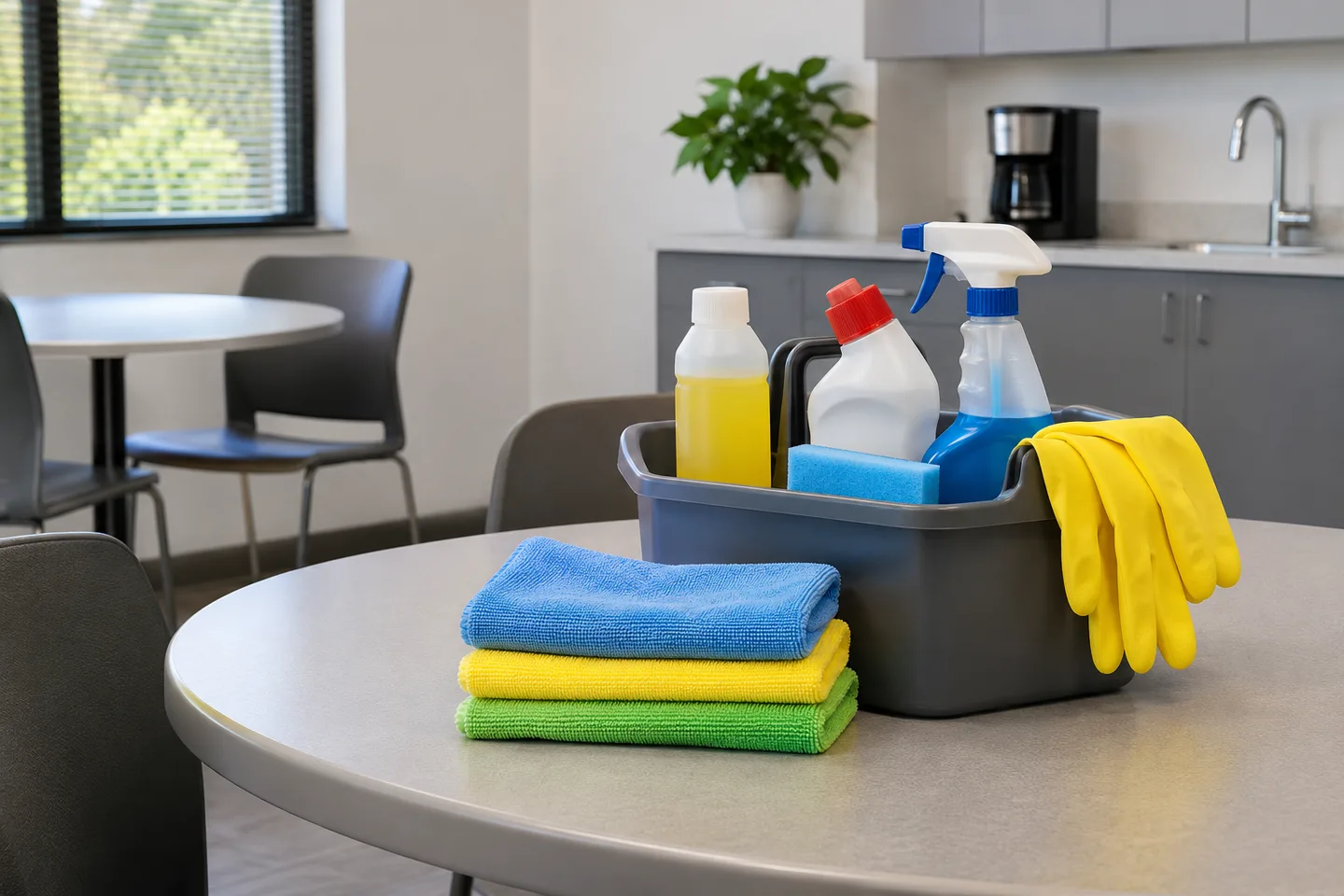
Plan access and scope before scheduling.
List the office footprint, near-term priorities, building rules, and any rooms that are unavailable during your planned window.
Browse service areaMatch the plan to how your office is used
A workplace with frequent meetings may need attention around conference rooms and visitor areas. A small team may prioritize the kitchen, restrooms, and paths around shared desks. Describe occupancy and where people spend time. Note any high-traffic entrance, and decide which rooms you want addressed regularly or before a particular event.
Choose a one-time detail or repeat arrangement
A first detail visit can focus on areas that are usually missed in workplace upkeep. A repeat scope can emphasize surfaces and floors that get daily use. Define the spaces and work anticipated at each visit rather than assuming all tasks repeat. If an office is moving, explain which furniture and supplies will remain and when cleaning can begin.
Keep workstations and equipment boundaries clear
Ask staff to clear surfaces they want considered and secure confidential items. Work around monitors, papers, cables, and individual belongings unless the authorized office contact has specified an appropriate scope. Separate server or network rooms and other sensitive spaces from general cleaning. Discuss materials and approved supplies before any visit is confirmed.
Schedule around meetings and neighboring tenants
Shared conference rooms can be unavailable on short notice, and leased buildings may control evening access. Confirm available times, elevator or loading rules, and who can grant entry to the office. If a different contractor will be present, agree on the sequence. Plan around the first meeting or opening time that depends on completing the work.
Review particular surfaces by room
Floor type, amount of glass, dining surfaces, and area use can affect how work is planned. Identify the tasks you care about, and tell us about finish instructions and any surface you want left alone. A quote should state whether inside appliances, deep floor treatment, and unusual items are part of scope. Keep optional items separate when comparing proposals.
Protect the confidentiality of the workplace
Keep employee records, client information, keys, lock codes, and account details out of the initial inquiry. Tell the designated contact how to handle rooms that must remain closed. Leave enough time to authorize access before work. A workplace that handles specialized information may impose additional restrictions that should be reviewed independently of the cleaning checklist.
Plan for special office events or transitions
If the goal is to prepare for an open house, inspection, or team event, state the deadline and what rooms will be used. If the office is changing tenants, coordinate with movers, building management and utility access. Explain which work should be finished before furniture is in place and how someone can review the rooms afterward.
Make the estimate easy to act on
Give the city and ZIP, square footage or number of rooms, list of high-priority areas, timing and frequency, and the person who approves the scope. Mention gate or building rules in broad terms. Confirm the proposed work and schedule with the authorized office representative before making plans around an appointment.
Commercial and institutional cleaning · School cleaning · Government building cleaning · Bank branch cleaning · Event venue cleaning · Medical office common-area cleaning · Discuss an estimate · Read area information
Common questions
What if an office shares a reception area with several businesses?
First identify who manages the common area and whether it belongs in the request. Shared spaces may have lease, building-management, or other vendor responsibilities separate from the private office. Confirm the surfaces and hours that can be addressed. Notify anyone who relies on that access if work is planned around a particular entry path. A proposal can list private suites and common space separately so the scope is clear to every authorized party.
Can we focus on client-facing rooms?
Yes, list the entrance, reception, and meeting rooms separately and tell us when they will be available. Identify the surfaces visitors actually use and which details matter during an event. Private offices can be excluded or assigned a separate time window depending on access.
How do I request cleaning for a leased office?
Confirm who manages the suite, whether cleaning is already included in the lease, and where any additional work is allowed. Ask building management about entry hours and access restrictions. Share which rooms or tasks are outside normal service so different providers do not assume overlapping responsibilities.
Should desks be cleared first?
Clear or identify the desk surfaces you want considered and secure personal papers and confidential work. An approved scope can identify what is reachable when a desk is occupied or contains equipment. Identify separately any workstation or screen that should be avoided. The same approach helps plan storage and shared work areas.
What makes a repeat office visit easier to schedule?
Keep a current list of shared areas, less-used rooms, and rotating detail work. Identify when the office is quiet, who can grant entry, and how a change to availability should be reported. Review the schedule when staffing, furnishings, or meeting patterns change so the work still fits the office.
Tell us what needs cleaning.
Share the site, requested scope, and available access window.