
Specialty cleaning · North Georgia
Government and civic building cleaning
Plan work around public-facing areas, procurement requirements, and the building’s approved access window.
Plan access and scope before scheduling.
Identify the department or building type, procurement contact, public areas to include, and any access that must remain supervised.
Browse service areaStart with the authorized facilities contact
A municipal or other public building may use different staff for facilities, purchasing, security, and building access. The person requesting a quote should identify the appropriate contact and explain how a site visit would be arranged. An inquiry through the website does not establish a vendor relationship, satisfy qualification requirements, or replace the agency’s procurement process.
Map the public and restricted areas
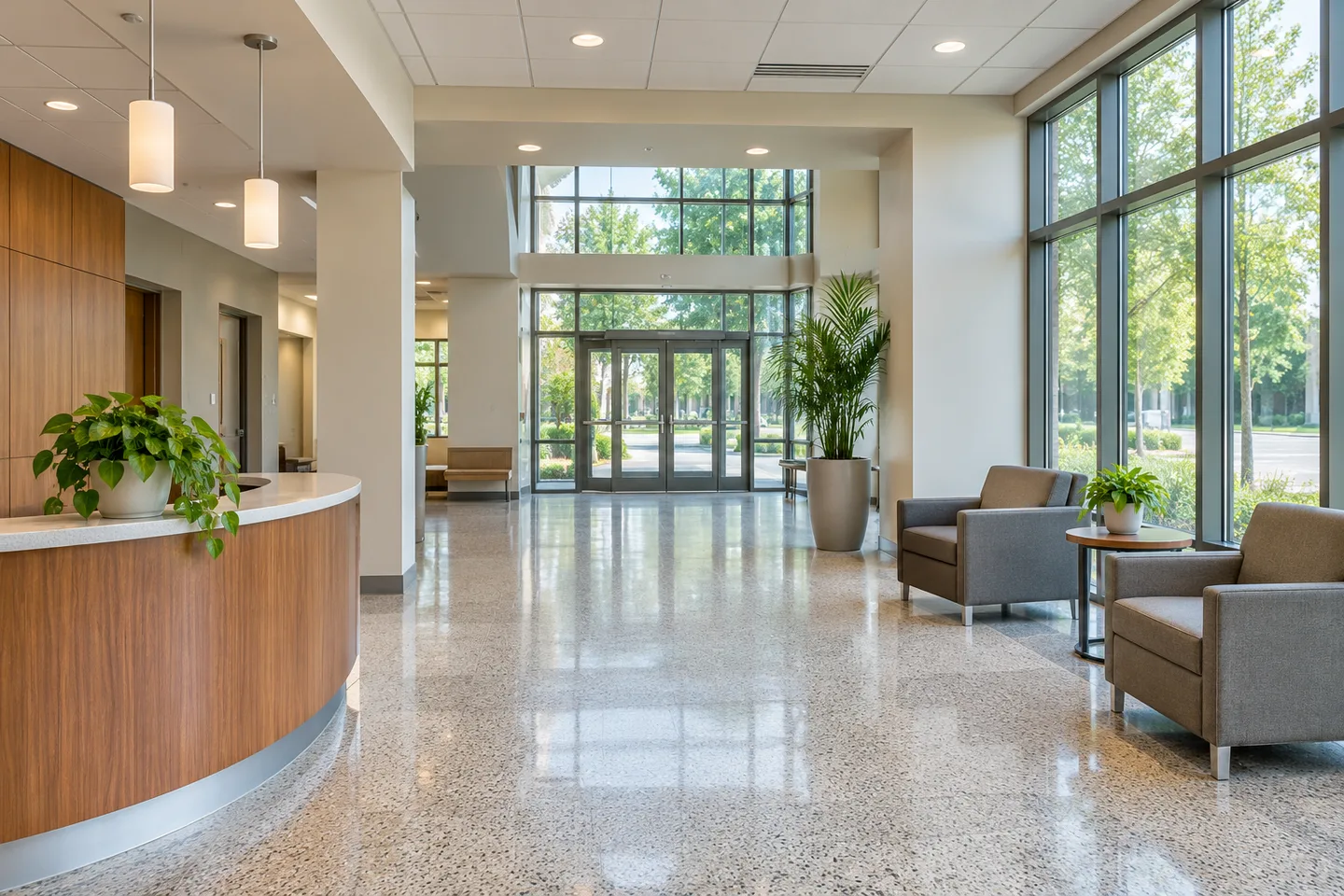
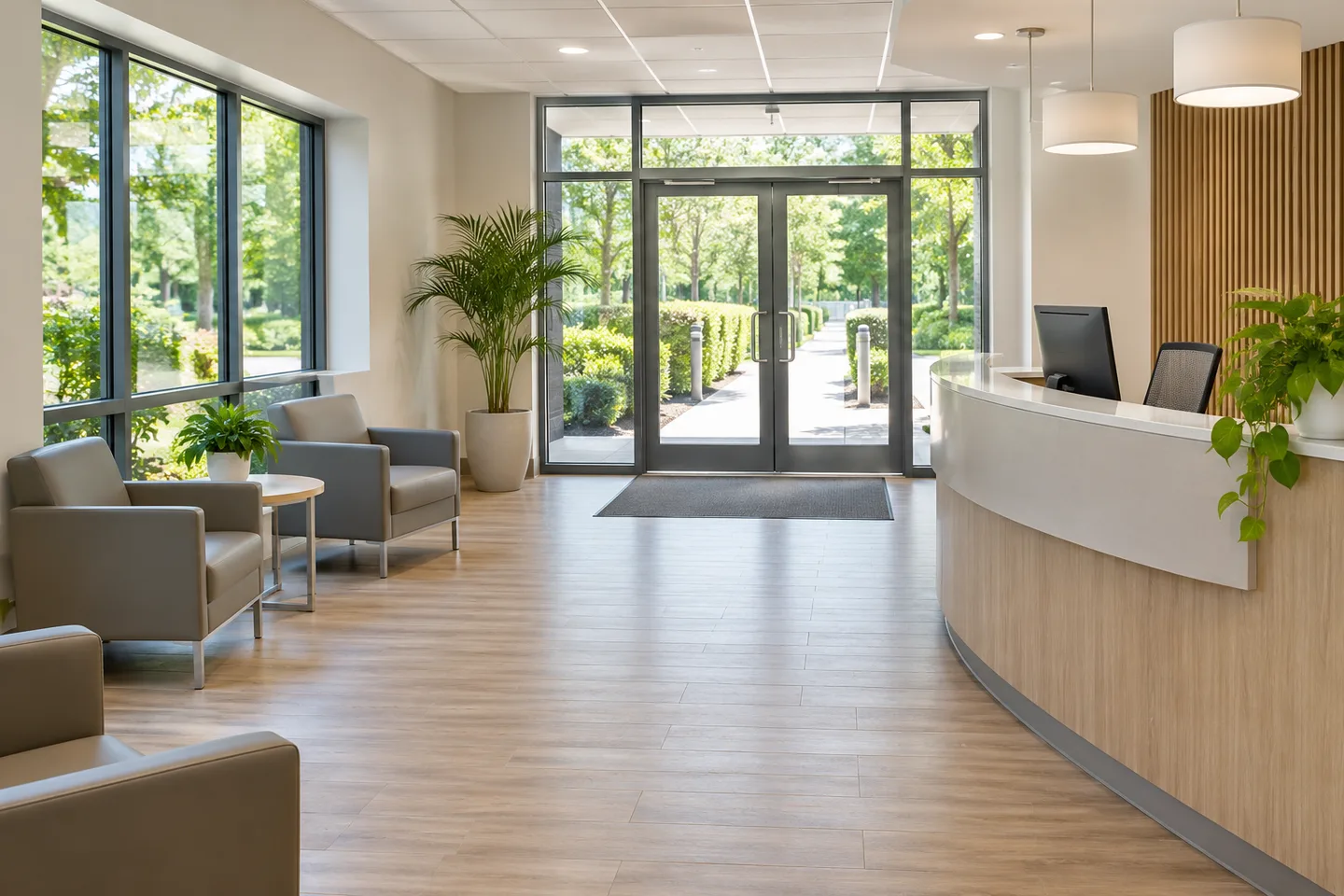
Describe the public lobby, transaction counters, corridors, waiting areas, restrooms, and conference rooms eligible for review. Identify areas that require escort or remain excluded without providing sensitive operational details. If a building contains multiple agencies or tenants, state whose authorization is needed for each area. Obtain the facility’s decision before assuming access extends beyond the named rooms.
Schedule around public appointments
A service counter may be busy even when adjoining offices are quiet. Coordinate the time window against hearings, public meetings, appointments, staff events, or maintenance. Decide which egress routes and access paths must remain clear. A useful plan names the order of zones and who can approve an alternate sequence if a meeting or public appointment changes.
Keep equipment and records outside ordinary cleaning
Files, security equipment, secured technology, evidence, and restricted records should remain untouched. Approved work is focused on named cosmetic or custodial surfaces. The designated representative should state boundaries for open workstations and public service desks. Raise any situation involving technical equipment or sensitive contents before the scope is accepted.
Prepare procurement requirements early
If the site has onboarding, insurance, clearances, contract, or purchasing requirements, ask the agency how they are evaluated and where documents should go. Only the agency can confirm eligibility for its property. The initial inquiry should describe the general process and the person authorized to discuss it, without sending credentials or nonpublic documents.
Compare a single visit with repeat work
For a detail visit before a meeting or after a seasonal closure, list essential rooms and when they have to reopen. A repeating custodial scope may need task frequency by zone and a clear site point of contact. Confirm what is handled by in-house personnel or other vendors so the work stays within the agreed responsibility.
Record which rooms were actually available
An agreed scope can change if a meeting runs long or a secured area cannot be opened. Decide how the approved contact should be told and whether another date is appropriate. Report progress by included zone so a reviewing person can understand which work was completed, deferred, or referred to the building’s own staff.
Share useful public information only
Give the facility city and ZIP, building type, approximate areas, preferred timing, and public contact channel. Keep access instructions, camera or security details, personnel records, and nonpublic schedules out of the intake. A service request can be discussed after agency permission and all applicable site requirements are clear.
Commercial and institutional cleaning · School cleaning · Bank branch cleaning · Office cleaning · Event venue cleaning · Medical office common-area cleaning · Discuss an estimate · Read area information
Common questions
How should a facility handle public meetings that change at short notice?
Name the building representative who can confirm an adjustment and provide a list of areas that could be serviced in a different order. If a meeting room stays in use, decide whether public restrooms, waiting areas, or other approved spaces can be handled without affecting attendees. The initial estimate should state which areas are essential and whether a change would require a different date. Provide the handoff person with the final list rather than assuming they saw every scheduling message. Do not include private meeting materials or sensitive personnel information.
Can the website quote be used as a bid?
Use the designated procurement channel if a formal bid or supporting documents are required. The website inquiry provides a starting point for discussing the type of work, location, and the person who can coordinate the next step. It does not override the building’s purchasing procedures or authorize access.
What if counters or public meeting rooms are still in use?
State which areas must stay available and which scheduled windows are reliable. Plan a sequence around public operations and confirm what happens when a meeting ends late. If a space cannot be released, ask whether the authorized contact can reschedule it or approve work in other agreed areas.
Which details can I include in the intake?
Use the building type, city and ZIP, typical room counts, requested areas, and preferred work window. Keep building credentials, access procedures for secure rooms, and documents out of the initial intake. Follow the agency’s own approved channel if additional materials are necessary.
Who reviews an after-hours visit?
The building should name an authorized person or procedure for start, completion, and closeout. Make sure staff who review the work know the included areas and exclusions. Discuss timing for reviews and how a deferred task should be recorded before a schedule is agreed.
Tell us what needs cleaning.
Share the site, requested scope, and available access window.