
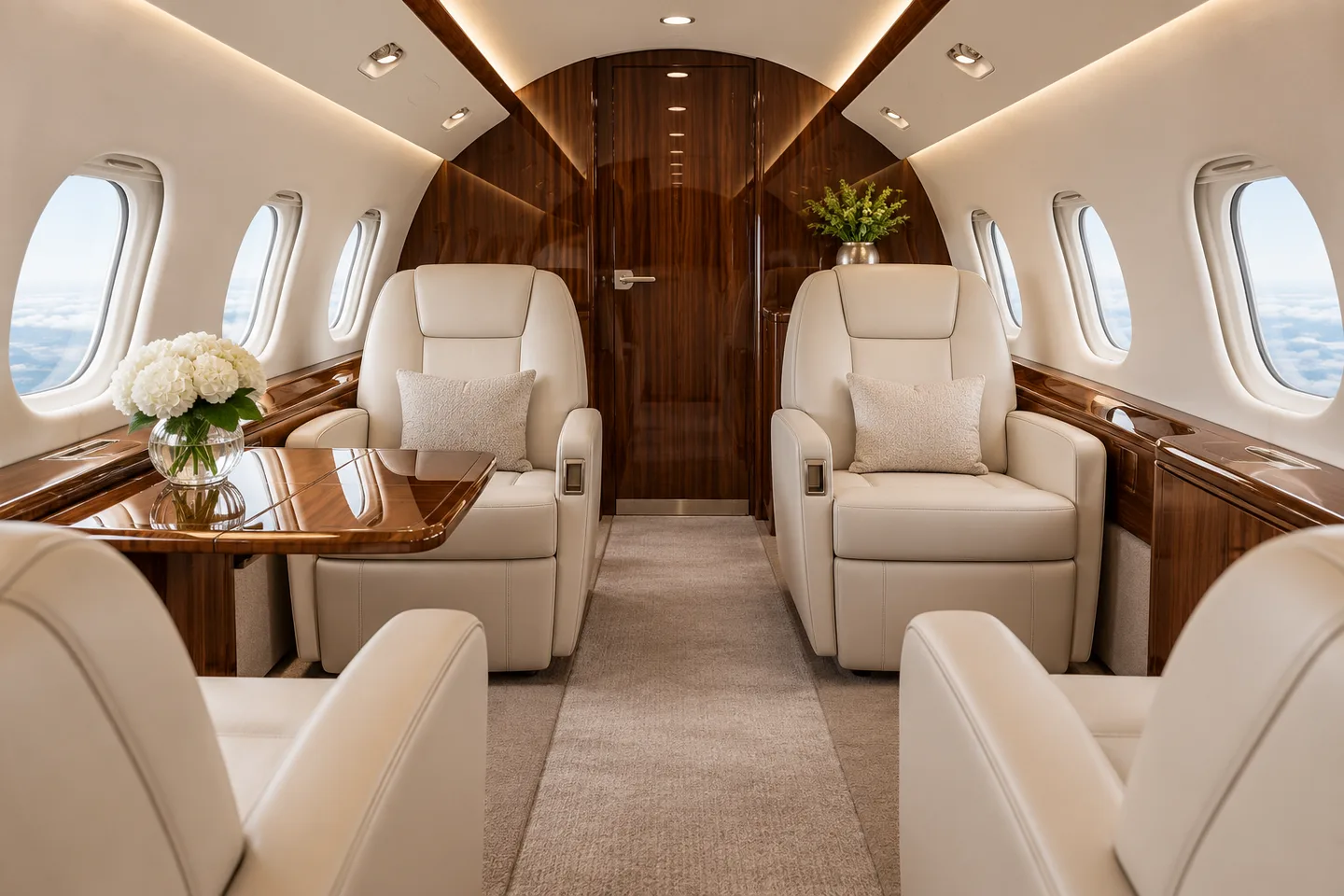
Private jet cleaning
Plan cosmetic cleaning for private jet passenger areas around a hangar window and operator-approved surface care.
Explore private jet cleaning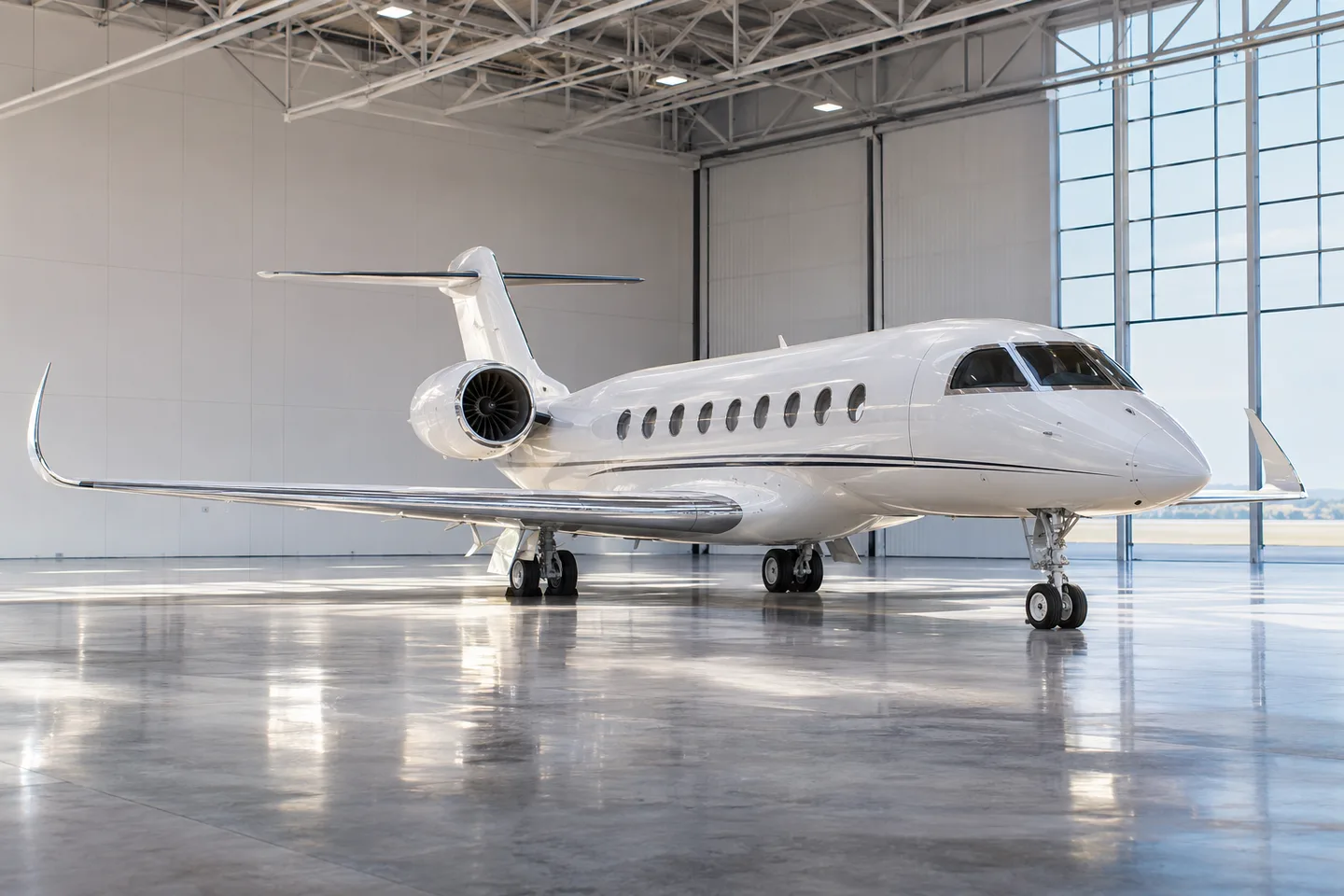
Specialty cleaning · North Georgia
Discuss a cosmetic passenger-cabin clean for a parked private jet or helicopter at an approved North Georgia location.
Jet and helicopter cabins have different access, materials, and scheduling constraints.
Plan cosmetic cleaning for private jet passenger areas around a hangar window and operator-approved surface care.
Explore private jet cleaning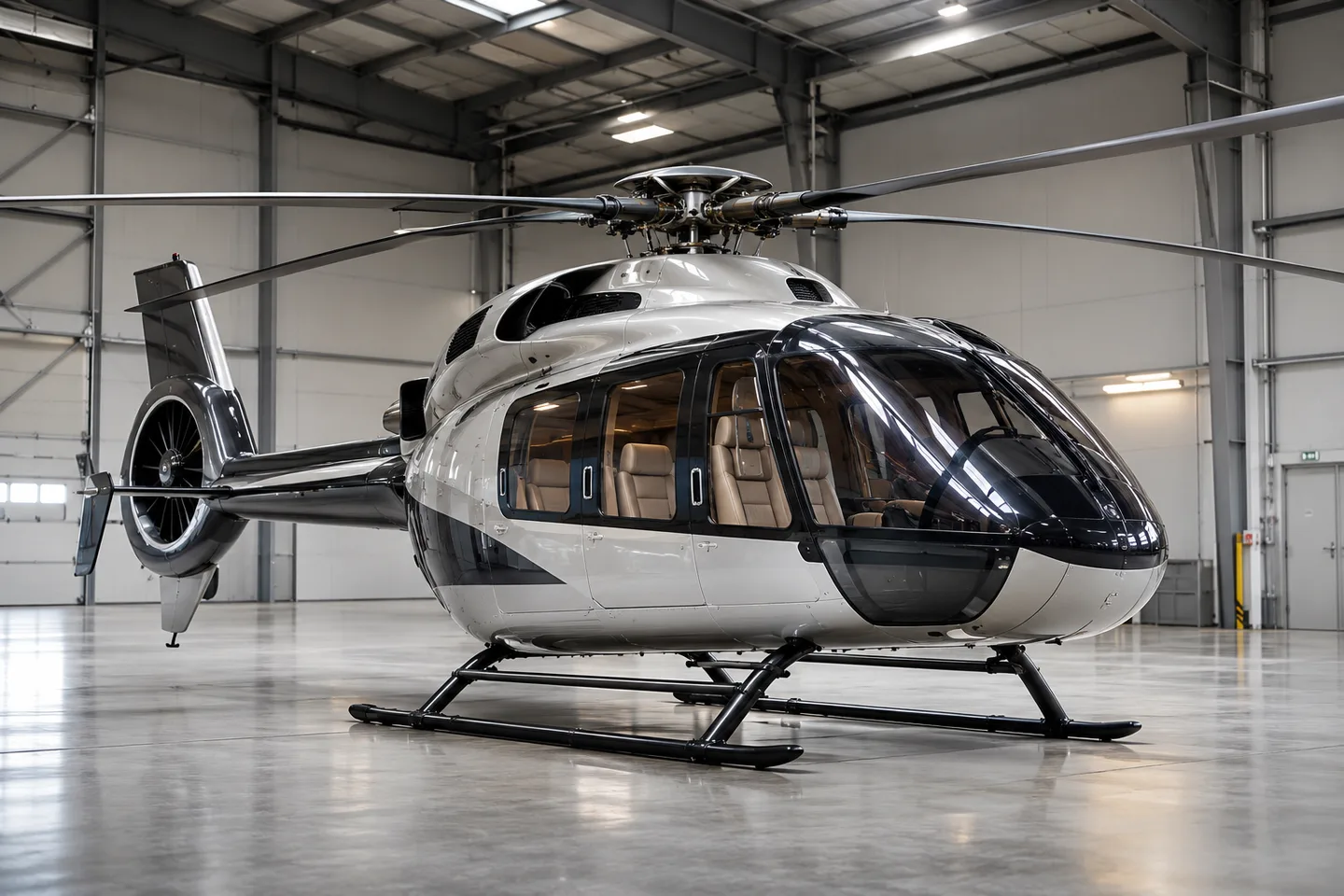
Discuss cosmetic passenger-cabin cleaning for a parked helicopter at a facility that has approved access.
Explore helicopter cleaning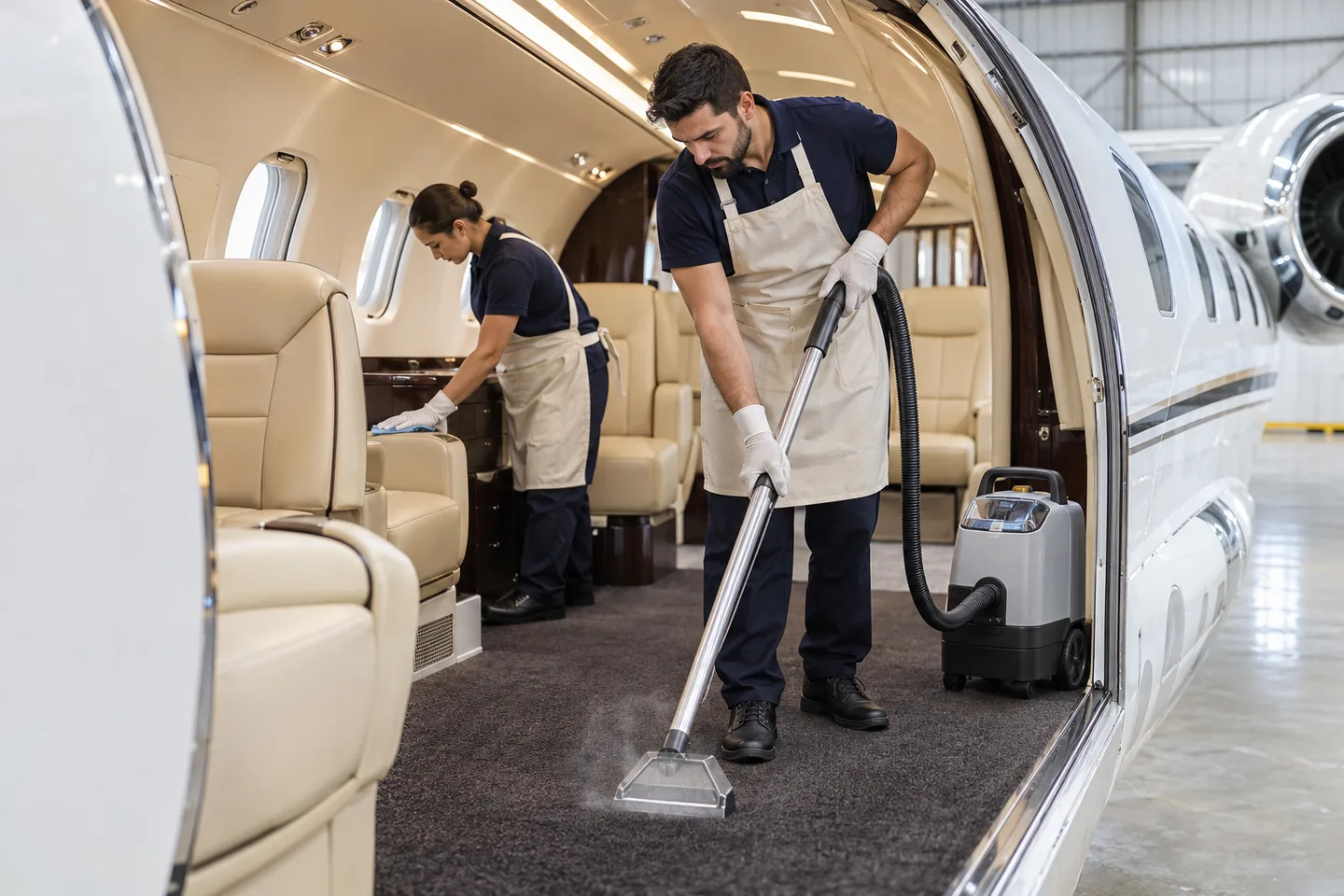
Discuss an operator-approved cleaning method for accessible passenger-cabin carpet and runners while the aircraft is parked.
Explore private jet carpet cleaning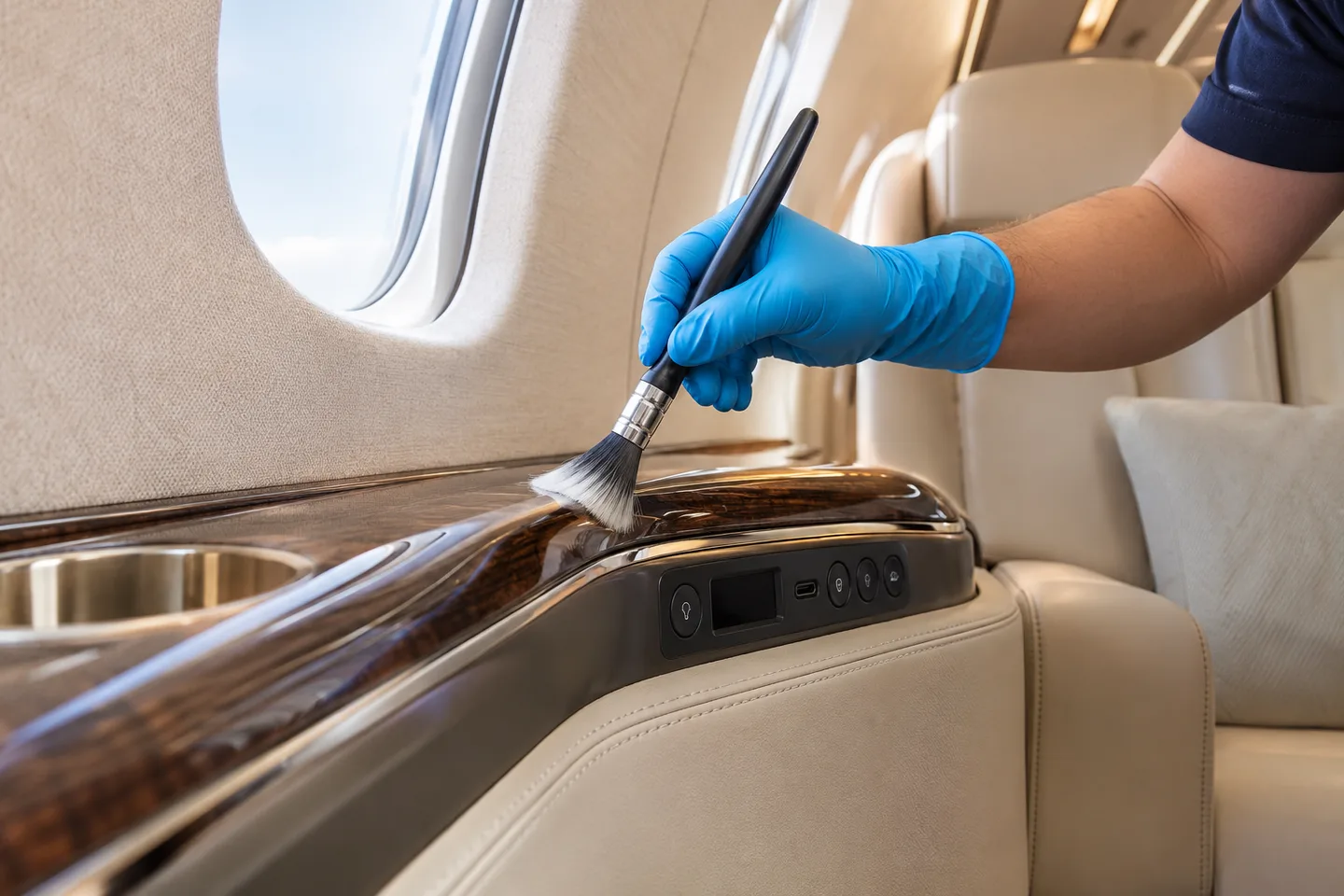
Plan a passenger-cabin detail around approved seating, aisle, cabinetry, and decorative trim.
Explore aircraft interior detailing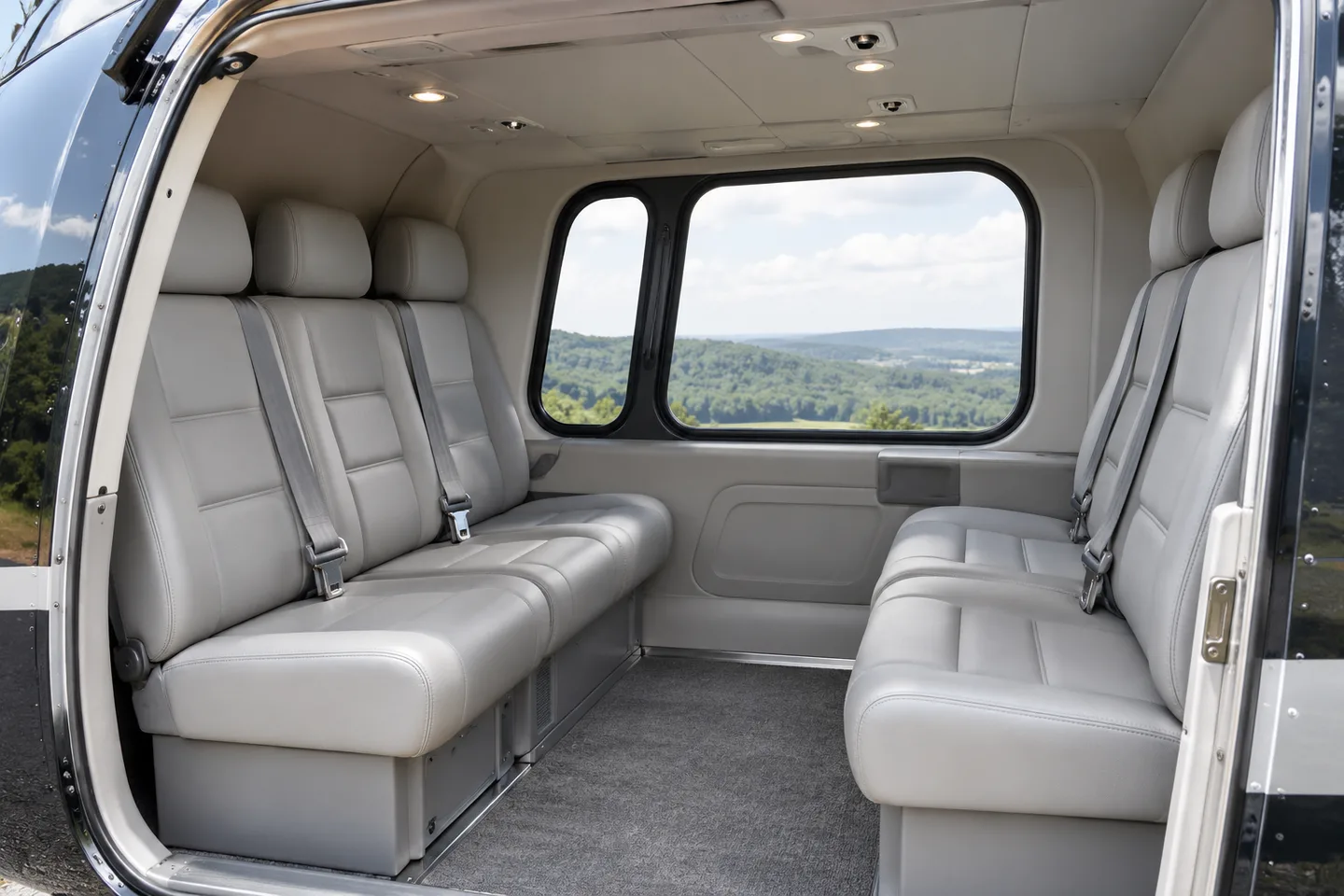
Share the airport or hangar, aircraft type, permitted passenger areas, and availability window. The operator must approve the scope and methods before any work is scheduled.
Browse service areaIllustrative scenes. Methods and included surfaces depend on the approved scope.
The person arranging cabin work should be able to identify who controls access to the aircraft and who can approve a contractor at the facility. An owner may use a management company, a hangar operator, or a separate flight department. Tell us the general location and which party can answer scope questions. We review site access and travel before any appointment is offered.
Start with occupied passenger areas such as seats, accessible side surfaces, and the floor path. Tell us which furniture finishes, textiles, or trim need attention. A request can describe cleanup between trips, a pre-showing presentation, or a deeper review while the aircraft is parked. Each requires an explicit list of areas and methods that are allowed.
This service is scoped around surface appearance and ordinary cabin housekeeping. It does not include maintenance, technical inspections, repair, disassembly, flight-deck controls, avionics, deicing, engineering approval, or release for flight. Any condition that may affect safe operation belongs with the operator or qualified maintenance personnel. Identify technical boundaries before a contractor is asked to board.
Cabin seats and trim may have care limitations that depend on the particular aircraft, materials, and manufacturer instructions. Share those requirements with the authorized contact. Identify methods or products the operator does not allow and any surface an appointment should leave alone. A quote should state which approved surfaces are in scope, even if another aircraft has a similar interior.
Identify when the aircraft will be parked and available, and when it needs to be turned back over. Ask which person will handle boarding access and which areas can be occupied. Aircraft operations, servicing, or a change to the flight plan can make the initial window unavailable. Allow enough time to review the agreed work and remove supplies before handoff.
An external wash request involves a different approval process, with aircraft surface restrictions and facility requirements for access, runoff, and tools. Exterior work should only be considered after the operator and facility confirm an appropriate scope. Treat the question as separate from the cabin quote. Cleaning controls, openings, or sensitive systems requires qualified direction and is outside the cosmetic service.
A first message can include aircraft type, facility city and ZIP, passenger area size, broad surface concerns and preferred timing. Leave out flight schedules that should remain private, access codes, passenger names, and security details. If a managed facility needs compliance documentation or supervised access, say who can review the requirement before time or pricing is agreed.
Before the planned visit, agree on who will review the passenger cabin, what beginning and ending conditions matter, and how to report an unexpected item or concern. A useful scope describes included zones and exclusions in plain language. Any technical condition identified during cosmetic work should be referred back to the operator for appropriate handling.
Marina and vessel detailing · Commercial and institutional cleaning · Apartment and renovation cleaning · Discuss an estimate · Read area information
Yes, start with the role of the person requesting work and identify who can approve the scope. A hangar manager may control building access while an operator determines what can be touched on the aircraft. If those responsibilities belong to different parties, arrange who will sign off and who will be available on site before offering a date to anyone.
Describe the work as cosmetic in specifically approved passenger areas. Ask whether the aircraft must remain out of service for an uninterrupted block and whether any interior materials have special instructions. If a department has an inspection, servicing, or installation planned, ask it to confirm the order. Direct technical questions to those responsible for the aircraft.
Treat each aircraft as its own estimate. Passenger layouts, surface materials, and current conditions can differ even on similar models. Share expected availability and a primary contact for each cabin, without including confidential identifiers in the first request. An estimate should make clear which scope and time window belong to each aircraft.
A general description can start the conversation. The authorized contact should identify work areas and restrictions, and may later need to confirm details through an agreed site review. A quoted time should reflect which access conditions are confirmed. If the aircraft moves or the site changes its requirements, revisit the estimate before arranging access.
Share the site, requested scope, and available access window.