
Specialty cleaning · North Georgia
Helicopter passenger-cabin cleaning
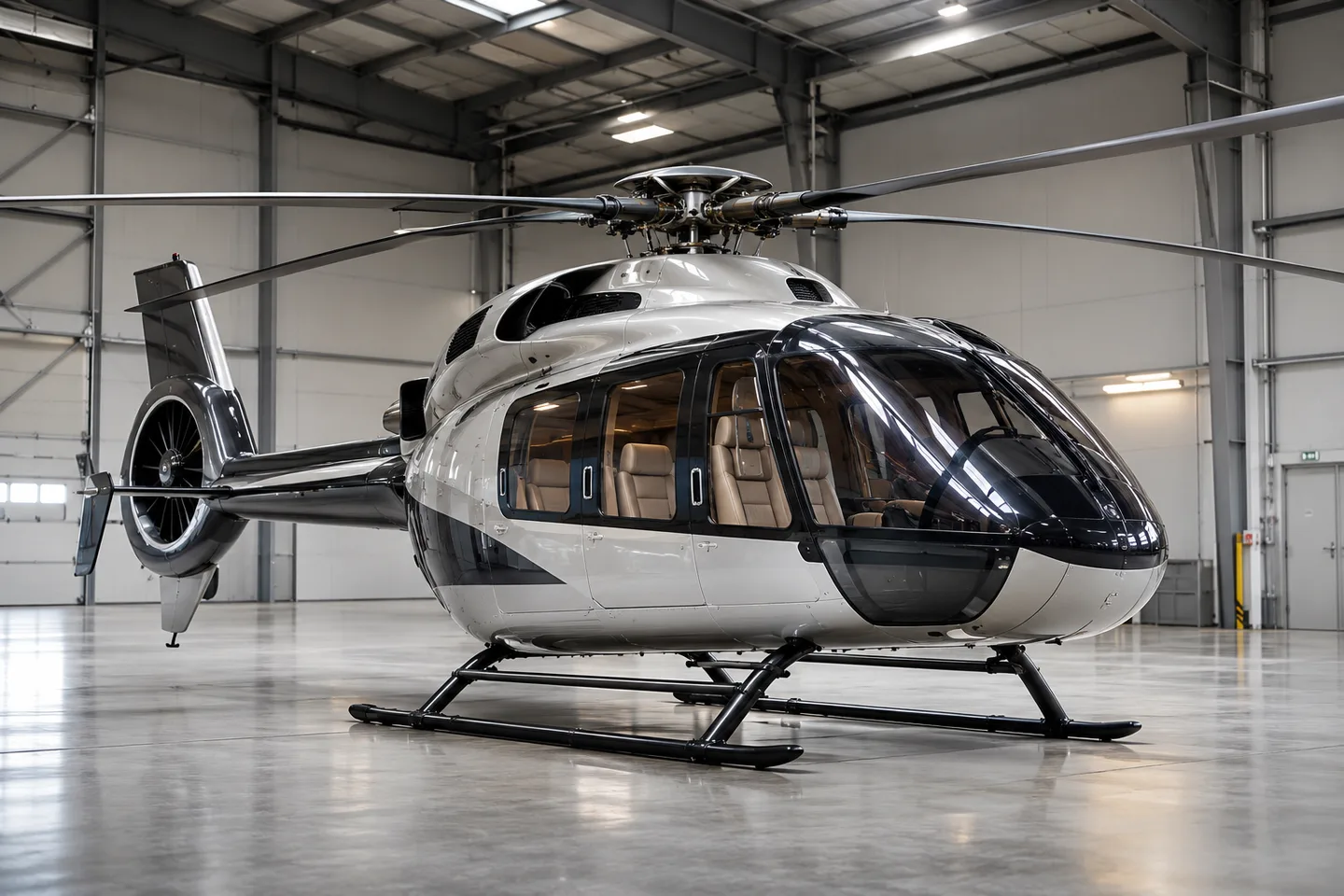
Discuss cosmetic passenger-cabin cleaning for a parked helicopter at a facility that has approved access.
Plan access and scope before scheduling.
Identify the passenger configuration, surfaces in scope, permitted products and methods, and who can confirm access when the aircraft is out of operation.
Browse service areaBegin with passenger configuration
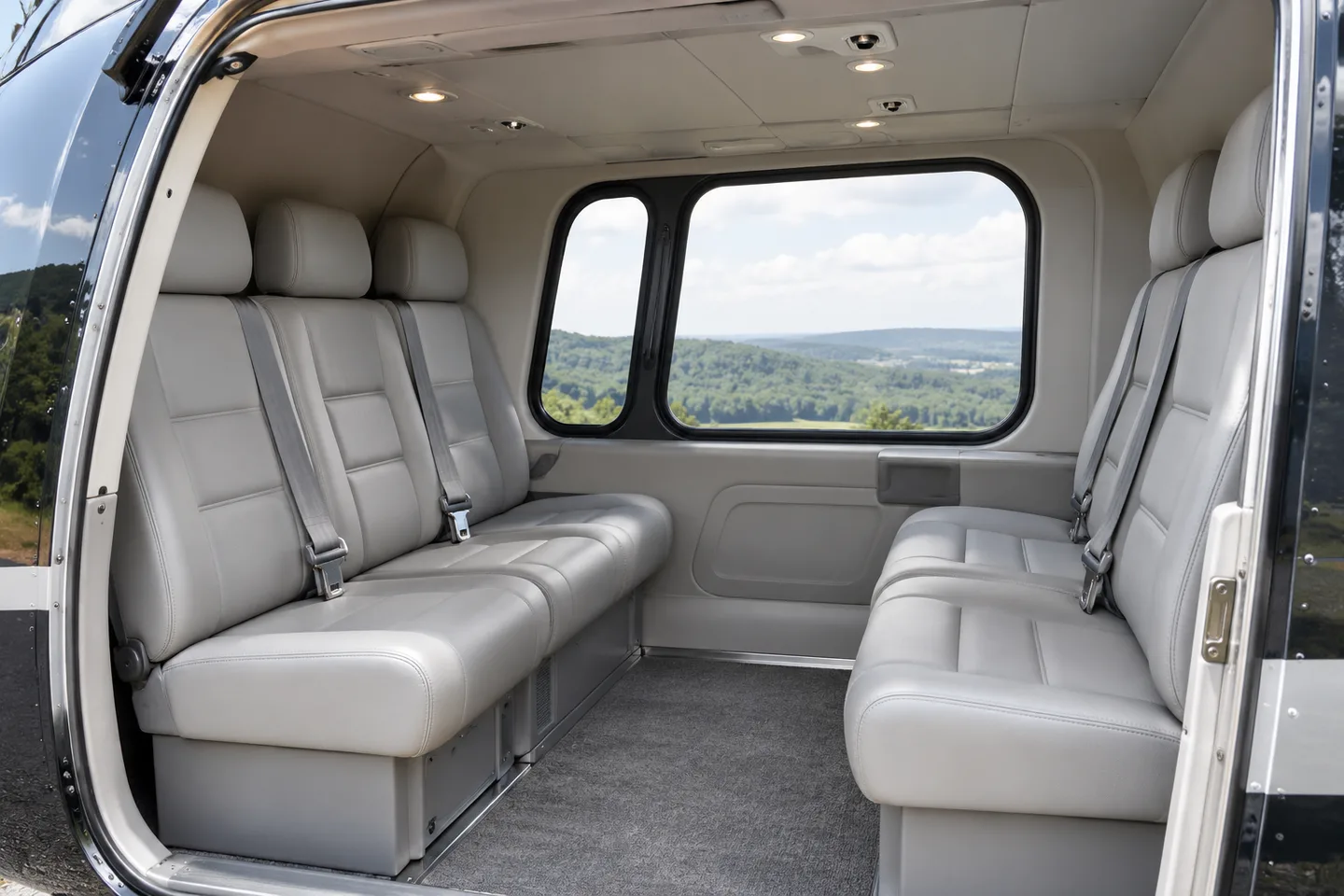
Cabins vary by seating arrangement, entry door, floor finish, and how closely passenger space sits to operational equipment. Describe the configuration in practical terms, including how many accessible seating positions are involved. State whether the request is for ordinary presentation, cleaning after passenger travel, or a planned cosmetic detail during a longer window.
Set side-door and boarding arrangements
The operator controls the point of entry and the conditions for approaching or boarding the aircraft. The contact should tell us when the helicopter is parked with systems inactive, who grants access, and whether an escort remains with the aircraft. Conditions can change between the time of a quote and the available appointment, so confirm before travel.
Understand the material limits
Share care instructions for passenger trim, fabric, rubber flooring, door surrounds, and other approved surfaces. Some materials should be left untouched or handled only by the operator. If there are marks or an unusual odor, describe the condition before choosing the scope. Do not assume it can be corrected with the same process as the surrounding surface.
Leave operational areas to authorized staff
The cleaning inquiry concerns cosmetic work in the approved passenger area. It excludes flight controls, avionics, optics, rotors, mechanical assemblies, sensors, windows with unapproved methods, and required safety equipment. An operator should address any maintenance or airworthiness question. A cleaning visit cannot support operational sign-off or replace inspection by qualified personnel.
Exclude specialist contamination situations
Tell us whether the aircraft has a medical, emergency, industrial or other role that brings unusual contamination or equipment into the cabin. The standard scope is for ordinary cosmetic service. Biological contamination, hazardous residues, and technical equipment require separate arrangements. Share that type of condition with the operator before seeking ordinary cleaning.
Coordinate around the aircraft’s availability
A compact cabin can need careful sequencing, especially if operations staff need to use the entry door or if there is a limited parking period. Confirm the same handoff person or designate a second approved contact. The request should describe how much actual uninterrupted time is expected, whether other crews are present, and what changes would affect the scope.
Send only practical details to begin
Use the facility city and ZIP, cabin size and type, time window, and priority tasks in the quote. Avoid providing confidential travel plans, full registration details, access codes, or mission information in the initial form. If a site requires more verification or documents for vendor entry, introduce the operator through a channel they approve.
Review the agreed passenger areas
Before the work is scheduled, record which passenger surfaces are included and who should review work afterward. If equipment, access, or seating is changed before the appointment, report the change and confirm the available space. A useful plan includes clear exclusions so the person preparing the helicopter knows exactly where work is expected.
Aircraft cleaning · Private jet cleaning · Private jet carpet cleaning · Aircraft interior detailing · Discuss an estimate · Read area information
Common questions
What if the aircraft layout has been altered for a particular use?
Ask the operator to describe the passenger configuration that will be in place during the visit. List only reachable areas the operator approves. Equipment reserved for medical, industrial, or operational use may change how the cabin can be accessed. If the configuration changes before the appointment, the operator should confirm the updated boundary between cosmetic passenger areas and equipment or mounting hardware. Include the available time window separately from the description of the cabin.
How should a small cabin be described?
Include the passenger seat count and any distinct area available for cosmetic work. Identify the access doorway and note whether equipment or storage limits its opening. A small cabin can still need a carefully defined scope because accessible passenger surfaces sit close to restricted equipment. An authorized operator should determine the boundary.
Does the job include windows, sensors, or the exterior?
Identify those items separately so the operator can decide who should handle them and which methods apply. Standard passenger-cabin work does not include windows with unapproved methods, sensitive equipment, external washing, or technical services. It is helpful to state the particular concern without assuming it can be addressed in the cabin time window.
Can it be cleaned while waiting between flights?
A request can describe that goal, but confirm an uninterrupted parked window with the operator. Flight schedules can change. Consider who will confirm access on arrival and what happens if the cabin is still occupied or being used. An appointment depends on availability and authorization rather than the advertised length of the turnaround.
Who should be present at the end of the visit?
Arrange an operator-appointed person to receive the cabin or confirm an approved handoff process. They should know which surfaces were reachable and which were excluded. If access changed or a possible technical concern was observed, communicate that through the agreed channel so the operator can handle it separately.
Tell us what needs cleaning.
Share the site, requested scope, and available access window.