
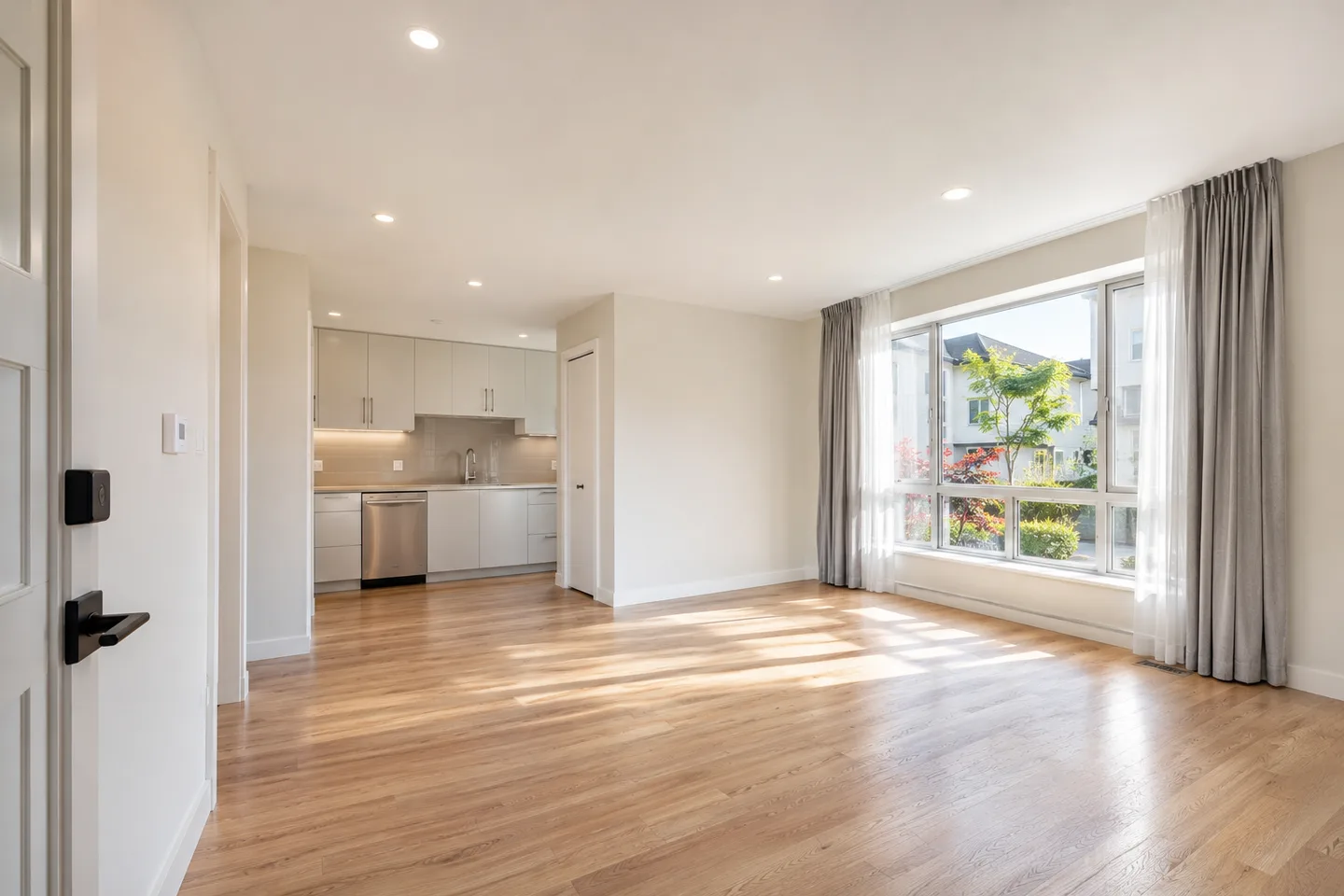
Apartment turnover cleaning
Prepare a vacant unit for its next resident once belongings, repairs, and access are coordinated.
Explore apartment turnover cleaningSpecialty cleaning · North Georgia
Plan an apartment turnover or a final clean after the contractor has finished and cleared the work area.
An empty rental unit and a finished renovation have different access, timing, and surface concerns.
Prepare a vacant unit for its next resident once belongings, repairs, and access are coordinated.
Explore apartment turnover cleaning
Plan a final home clean after construction ends and the contractor has removed debris and handled hazardous conditions.
Explore post-renovation final cleaningTell us the North Georgia location, approximate square footage, whether the property is empty, and when the next inspection or move is planned.
Browse service areaAn empty apartment may have a leasing appointment, new resident, or inspection immediately after the cleaning window. Identify when the last occupant or mover will leave and when keys must be returned. The room count only helps if those rooms are available. Let the site contact know if a repair or delivery could affect the schedule.
The post-renovation option is for home surfaces once active construction is over and the contractor has removed debris. Identify materials with fresh paint, new coatings, or manufacturer care directions. Do not schedule finish-sensitive work before those items are ready. Keep hazardous dust, remediation, and construction disposal with the appropriate provider.
Use a room-by-room list of floors, access paths, and surfaces that need attention. Mark drawers, appliances, and cabinet interiors separately if you want them quoted. A unit handoff may need empty storage cleaned, while a renovation can involve installed finishes that must remain protected until a contractor clears them.
A moving team, painter, or flooring contractor can make part of the property unavailable. Plan the cleaning after the activities that produce debris and before the next arrival when possible. Show the proposed order in the estimate request, and identify the person who can confirm when each area is ready.
For a vacant apartment, verify that water, lighting, and entry are available. For a renovated house, confirm which entrances, parking, and finished areas can be reached. Use the initial form for general availability. Exchange keys, alarm details, or lockbox codes through a confirmed channel after an appointment is agreed.
A compact unit with heavy kitchen residue can need a different scope from a large, recently vacated home. Describe what remains, which floors were protected, and any appliance or pantry work needed. Photographs of surfaces and representative rooms can clarify condition. Remove records, faces, and private access details before uploading.
Plan a walk-through between the cleaning and lease handoff, furniture delivery, or reopening. Use the accepted scope to compare the areas that were included. Record repair-related issues separately so they reach a contractor or owner who can address them. Keep a copy of the estimate and any later changes with your project notes.
Include the city and ZIP, the count of rooms or square footage, the deadline, and whether the work is a turnover or final renovation clean. Choose the matching service on the form, then tell us what has already been removed or completed. We can review access and availability before you finalize other plans.
Aircraft cleaning · Marina and vessel detailing · Commercial and institutional cleaning · Discuss an estimate · Read area information
If a unit is vacant between tenants and the concern is room readiness, use the turnover option. When the main issue is accessible settled dust and surface care after finished construction, use the post-renovation option. You can describe both conditions in the quote and identify which work must happen first. Give the address area, the deadline, and which rooms are free of tools, supplies or belongings. Arrange contractor work, disposal and specialist handling outside the cleaning window.
Choose the site city and ZIP and list any instructions that affect the work, such as whether utilities are active or a building requires advance access coordination. If your location is outside a listed community, choose Another location and enter its city. Discuss the available time and who approves access. A home’s location, condition and readiness all affect the estimate. Keep keys and private instructions for a confirmed scheduling channel.
Use an overall photo of each priority room and a closer image of any unusual finish or buildup. Hide paperwork, private addresses, access information and identifiable people. Share the date the unit or finished rooms should be available and note whether a mover or contractor may still be working. The goal is to establish which areas are ready and whether a task should be considered separately.
Use your agreed scope and check the named areas first. Let the appropriate contractor, property manager or trade know about repair-related issues. Allow enough time to confirm a concern while the site is still open. A cleaning visit may prepare a room for turnover but does not decide how a separate inspection, lease agreement or construction review is evaluated.
Share the site, requested scope, and available access window.