
Specialty cleaning · North Georgia
School and educational facility cleaning
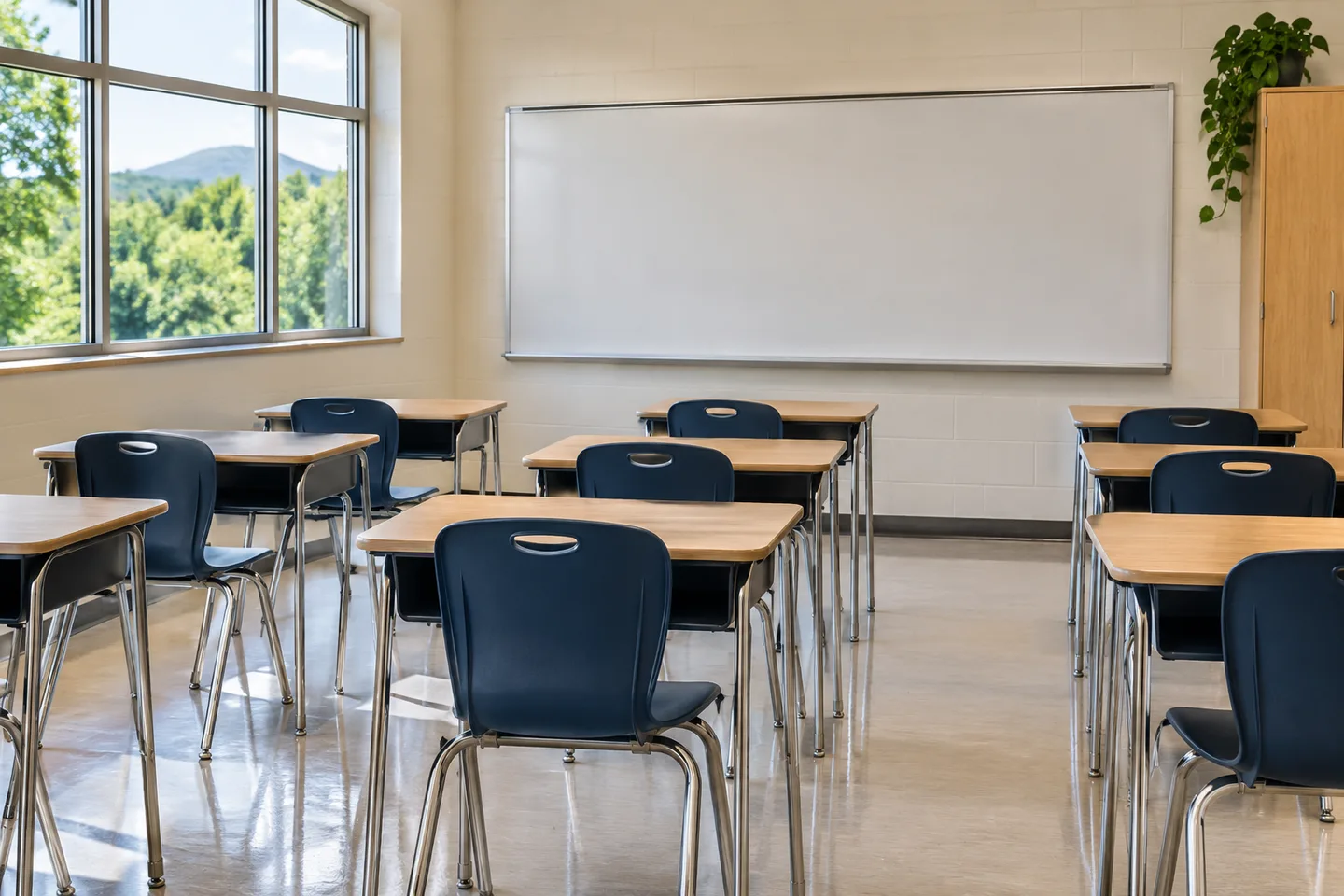
Discuss an approved cleaning scope for classrooms and common spaces, with scheduling that respects the school day.
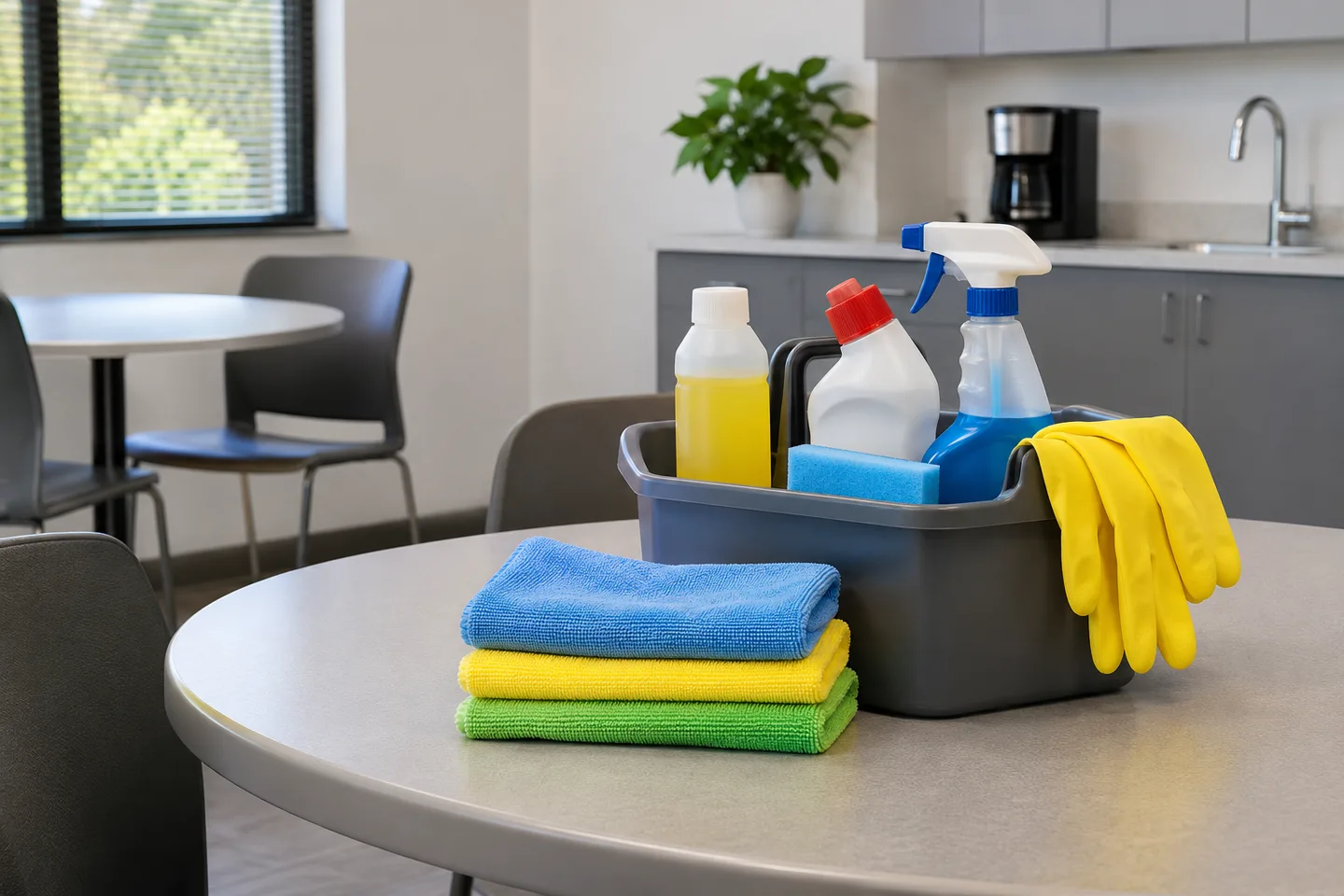
Plan access and scope before scheduling.
Tell us the grade levels or building type, rooms in scope, and the administrator or facilities contact responsible for access.
Browse service areaCoordinate with school leadership
Route requests through an authorized administrator, facilities representative, or district purchasing contact. The school decides what vendor requirements apply, including access, clearances, documentation, and check-in procedures. Those requirements should be reviewed before a walkthrough or visit. Identify the contact who can answer questions when school activities or schedules change.
List the spaces by function
Classrooms, hallways, staff areas, restrooms, and entryways have different conditions. Provide room counts and which surfaces are available. A classroom with desks in use presents a different task list from a space cleared for a break. Specialized rooms and areas containing equipment should be identified separately so the school can decide what is allowed.
Choose a workable school calendar window
An after-hours visit, short holiday break, or end-of-term appointment can have different restrictions. Check whether sports, summer programs, custodial work, or other events will overlap. Decide which doors and corridors need to remain clear. Confirm whether features such as classrooms or restrooms will reopen immediately after the cleaning window.
Provide facility-approved care directions
Share any restrictions for desks, whiteboards, flooring, fixtures, and classroom technology. School-specific procedures take precedence over a generic checklist. If the school asks about a product or activity beyond routine cleaning, request the applicable protocol and follow the facility’s review process. A general estimate does not assert that a particular disinfection standard or health result is achieved.
Protect student and staff information
Student records, class rosters, documents, login screens, and personal materials should be secured or left untouched. State which storage is off limits and who can answer access questions. The intake only needs general facility, city, and scope details. Use the school’s approved process to discuss access or vendor documentation later.
Plan for spaces that cannot be cleaned as ordinary rooms
Labs, clinics or nurses’ rooms, food-preparation areas, and spaces with specialized equipment may require separate procedures or qualified providers. A normal classroom scope does not include those areas by default. Identify unusual conditions, materials, or equipment in advance. Keep sensitive details within the school’s own reporting process.
Make the priorities measurable
Group the work by classrooms, public restrooms, hallways, or another logical area. Identify which tasks are essential each visit and which belong on a rotation. If an appointment is intended before reopening, say which rooms must be usable first. Give the authorized review contact a written scope so questions can be assessed by room and task.
Start with a practical inquiry
Include the campus city and ZIP, room count or approximate area, target dates, facility contact role, and desired work. If formal purchasing is needed, state that early rather than treating the website inquiry as a contract. Confirm a suitable access window and route before publishing any school schedule around the proposed cleaning visit.
Commercial and institutional cleaning · Government building cleaning · Bank branch cleaning · Office cleaning · Event venue cleaning · Medical office common-area cleaning · Discuss an estimate · Read area information
Common questions
How do we plan around after-school clubs and the evening custodial team?
Ask the facilities contact for a schedule that shows which rooms and common paths will remain occupied and which areas the in-house team will handle. A usable window should account for clubs ending late, staff access to storage spaces, and areas that need to open first the next morning. Agree on alternative rooms if one space cannot be released. Confirm how work in shared areas will be reviewed and who can approve any change. Include only operational availability in the inquiry, without student names or details about specific individuals.
Can cleaning be planned around a school break?
Ask the school contact when classrooms can be opened and whether programs will continue in part of the building. List priority rooms and the reopening deadline. If rooms must be returned to a particular arrangement, identify who will handle furniture and classroom materials. Confirm any site-specific expectations before work is scheduled.
How do I handle an unexpected illness or spill?
Notify the school’s designated staff and follow the school’s procedures. Do not treat a routine estimate as a substitute for an exposure response or specialized service. The facilities representative can determine which areas to restrict and what cleaning, sanitizing, or disinfection protocols are required before ordinary work resumes.
What should stay in a classroom during a visit?
The school can decide which instructional materials and furniture should remain and which surfaces staff will clear. Keep personal and student materials out of the work area or tell the site contact how they should be left. Photos or student identifiers are unnecessary in the initial estimate request.
Can a school separate repeat tasks from seasonal work?
Yes, identify what makes sense during the school term and what needs a closure or longer access. An entrance or corridor may need a different frequency from a classroom or office. Let the facilities contact decide which work should be reviewed in-house and how changes will be communicated.
Tell us what needs cleaning.
Share the site, requested scope, and available access window.