
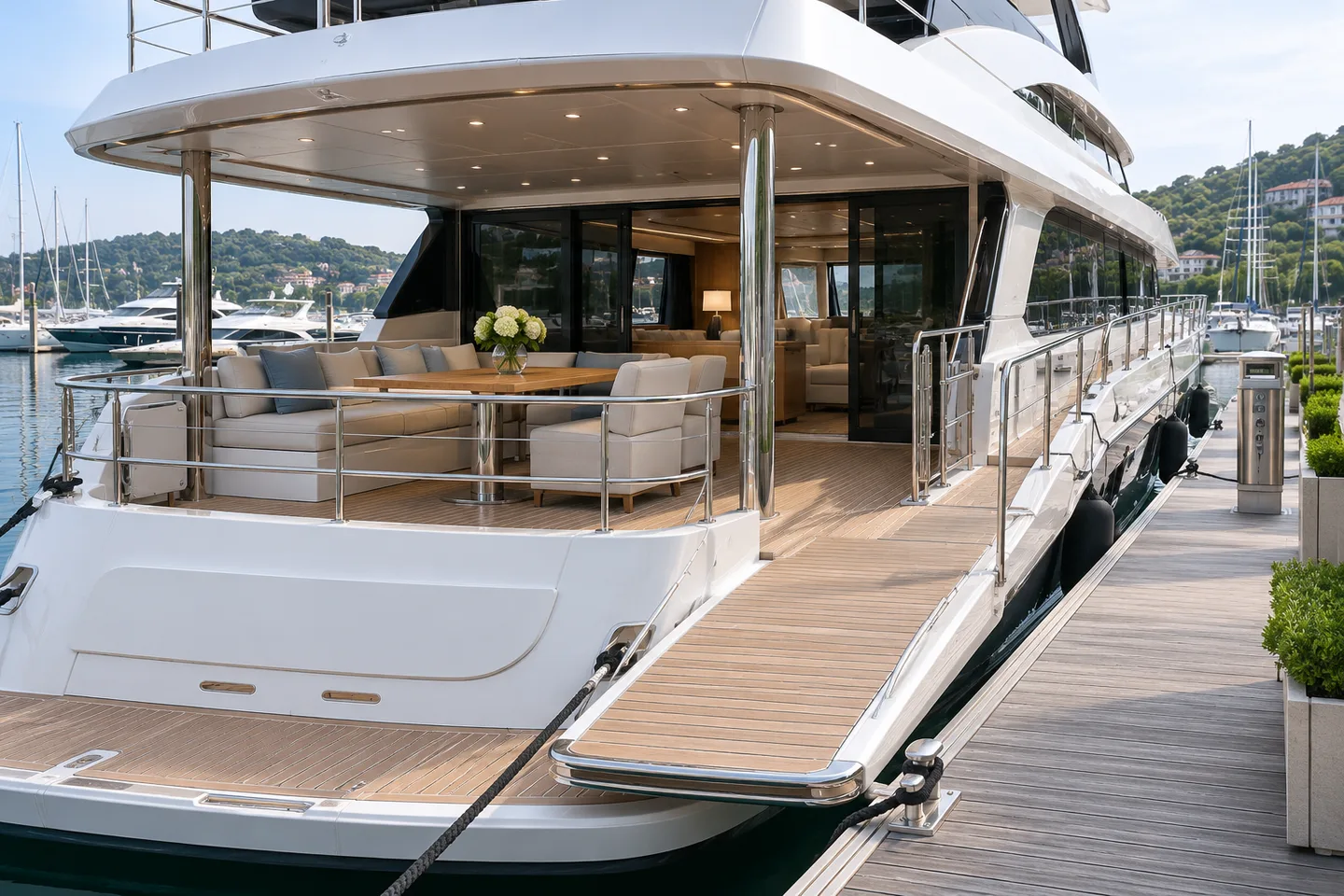
Specialty cleaning · North Georgia
Cleaning for larger boats and docked vessels
Plan cosmetic cleaning by level or zone for a larger boat or vessel at an approved marina or facility.
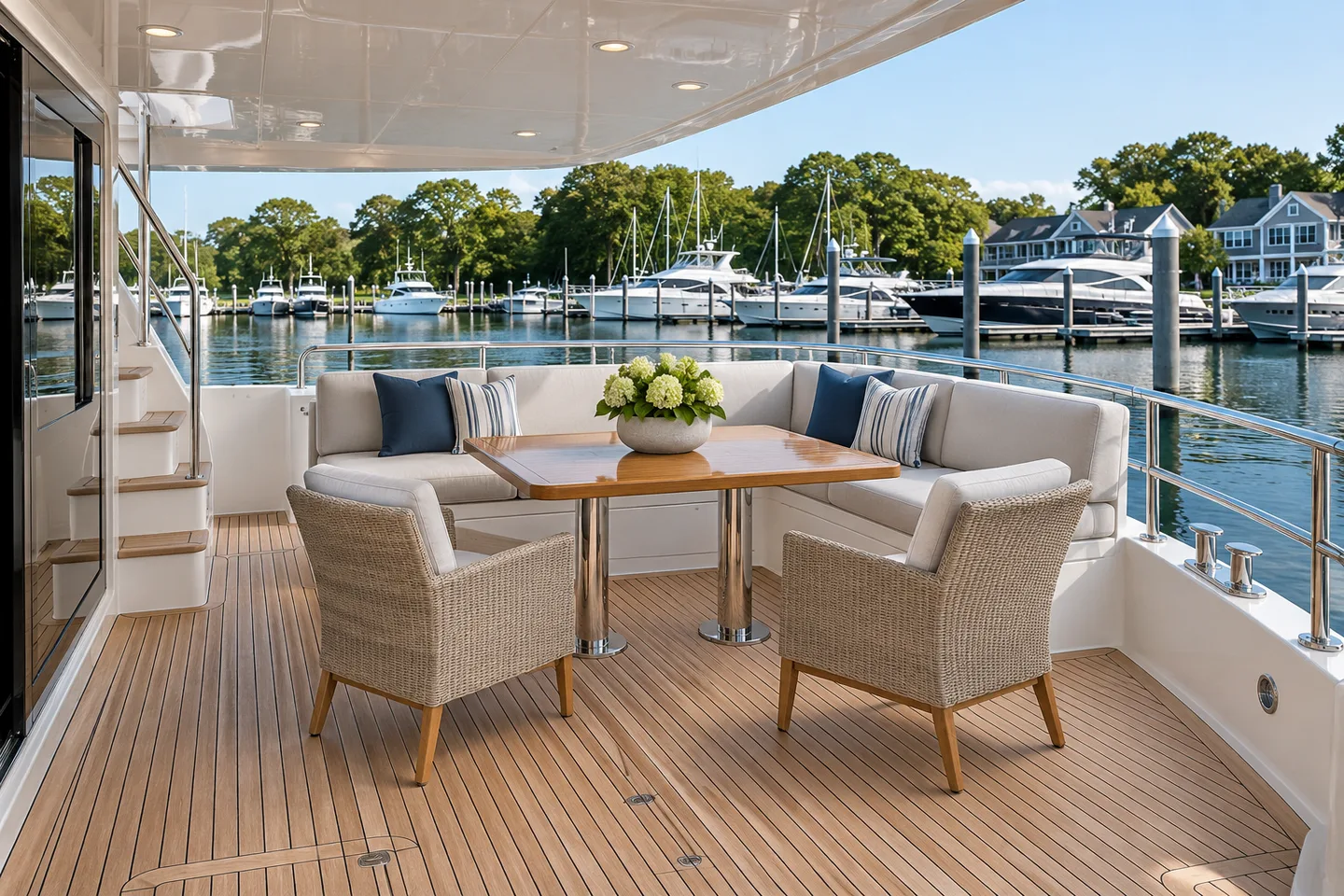
Plan access and scope before scheduling.
Identify the vessel type, deck count, safe boarding route, authorized site contact, and the zones available during the appointment.
Browse service areaBreak a larger vessel into clear zones
A useful first estimate starts with the decks and rooms that are actually available. List cabins, covered deck areas, circulation paths, public seating, and control or engineering areas you want excluded. Give an approximate area or count when possible. Separating the work by zone prevents a single vessel length from standing in for several different work conditions.
Identify which zones are used first
A passenger area opening soon after the visit has different priorities from a zone closed for the season. Tell us whether the work is meant to support reopening, a turnover, a presentation, or ordinary upkeep. Name the areas that should be ready first and identify any essential passageway that must stay clear throughout the visit.
Talk through the physical access
Consider pier-to-vessel difference, stairs, narrow passageways, and whether planned access changes when water levels or weather shift. The responsible person should confirm which routes can be used and who will supervise access when required. Allow enough time for supplies to be brought aboard and removed without blocking normal movement.
Separate cosmetic areas from operations
A vessel’s mechanical spaces, bridge or control consoles, electrical areas, safety equipment, and fuel systems require responsible personnel. Ordinary detailing focuses on approved visible surfaces. Report any unusual contamination or damaged areas before booking. This service does not cover repair, inspection, bilge work, underwater hull work, or operational sign-off.
Match each exterior task to the facility rules
If exterior work is being considered, ask where it can take place and what methods, supplies, and water handling the marina permits. A covered aft deck and an exposed section of hull can have different restrictions. An approved interior visit does not imply permission to wash elsewhere on the vessel or dock.
Coordinate with people still working on board
If staff, contractors, or passengers will be present, describe when a zone can be available without interrupting normal operation. Conflicting tasks may need a different order or a smaller visit. Name a person authorized to resolve an unexpected access or scope change. Keep sensitive crew schedules and personal details out of the initial form.
Plan a phased visit when needed
A longer work list can be organized by deck, by type of surface, or around which spaces can be cleared at the same time. Describe the sequence that makes sense for the vessel. Ask which portion should be estimated separately and how weather or a moved berth would change the planned setup.
Agree on the review and follow-up
The site contact should know which areas were in the agreed scope and how to check them. If a result involves wear, restoration, or work that was out of scope, refer the issue to the appropriate provider. Keep a useful record of priorities and access decisions if the vessel needs a return visit or regular presentation care.
Marina and vessel detailing · Yacht detailing · Yacht interior cleaning · Boat deck and topsides detailing · Discuss an estimate · Read area information
Common questions
What should the work handoff include when the vessel has several decks?
Give the person reviewing the job a written list of areas by level and show which items were optional or deferred. Mark any deck that was unavailable because of new work, unsafe weather, or a change in occupancy. Keep the review focused on cosmetic tasks. A separately identified issue involving a vessel system or structural condition belongs with its responsible operator.
How should I group the areas on a large boat?
Start with decks and zones rather than a single total. Identify circulation paths, service areas, public seating, and other agreed work spaces. Distinguish areas that are occupied or operated by another team. Approximate size or seating counts by zone can help determine whether the request should be split into visits.
What happens if a crew needs part of the deck?
Ask the site contact to reserve an uninterrupted window for the affected area or agree to reschedule that portion. Keep active work routes available. Tell the reviewing contact which part of the original scope is affected. If an area becomes unsafe or inaccessible, the authorized contact should decide how to proceed.
Does the estimate include specialty exterior surfaces?
Discuss coatings, height, access, and site restrictions before an exterior estimate is agreed. A visible task may still require a yard-approved location, different equipment, or a specialist. The visit should name the specific accessible surfaces included. A general detailing request does not imply permission to clean over water or in restricted zones.
What if more than one operator manages the vessel?
Identify which contact can arrange entry, approve work, and receive questions. This is especially important when a facility, owner, and vessel crew have separate roles. Avoid putting internal procedures or access information in the quote form. Decide how updates will be communicated if berth or operational scheduling changes.
Tell us what needs cleaning.
Share the site, requested scope, and available access window.